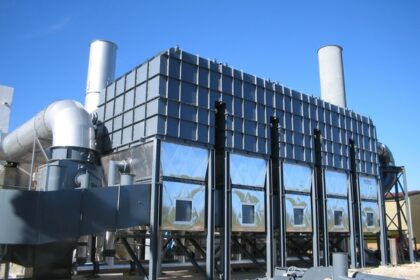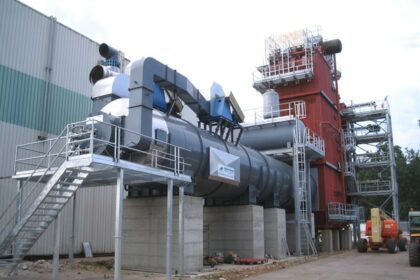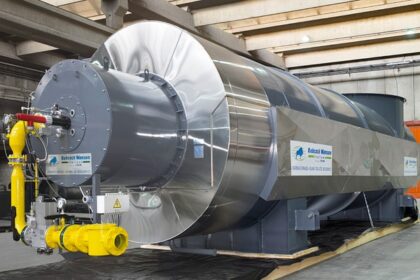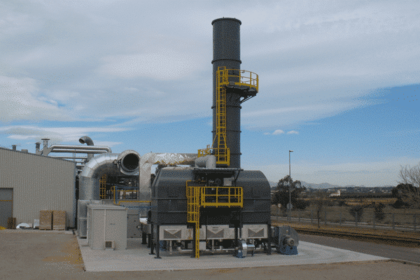



Showing all 4 results
Introduction
With over 350 Thermal Oxidisers installed worldwide, Babcock Wanson has unrivalled expertise in Thermal Oxidiser technology.
Everything from initial investigation to final commissioning is kept in-house leading to the most cost-effective solution for our clients. Careful process review at the investigation and design phase means our solution is fully optimised to the application giving the lowest long-term running costs. Our Engineers aim for the highest thermal efficiencies for Recuperative Oxidisers and auto-thermal operation for Regenerative Oxidisers.
Learn more about our thermal oxydisers range and associated services by downloading the Thermal Oxydiser Solutions brochure.
Thermal Oxidisers Advantages
Gaseous effluent from various industrial processes can contain high levels of VOCs (Volatile Organic Compounds) or odours which have to be treated before discharge to atmosphere in order to meet prevailing regulations. The most effective and widely used solution for VOC and odour treatment is Thermal Oxidation. Pollutant gases are heated to high temperature in a combustion chamber in the presence of air and are fully oxidised before being discharged as a harmless gas.
Thermal Oxidisers are designed and manufactured to recover heat energy externally (Recuperative Oxidisers) or internally (Regenerative Oxidisers). Which of these types is most appropriate is usually dependent upon the composition and delivery volume of the polluted air and the concentration of VOCs. Modern Oxidisers can also incorporate adsorption technology concentration techniques, which can bring even the largest air volumes with very low solvent loadings within reach of economic operation.